ISO 27001 Templates

What They Are, Which Ones You Need, and How to Choose the Right Ones.

We offer ISO 27001 templates because many organizations do not need to start from a blank page. They need a clear structure, practical working documents, and templates they can adapt to their own business, risks, systems, and scope. A good template should save time, improve consistency, and support audit readiness. It should not be generic filler that creates more work later.
Iso 27001 2022 Templates Cyberzoni Badge

What are ISO 27001 templates?

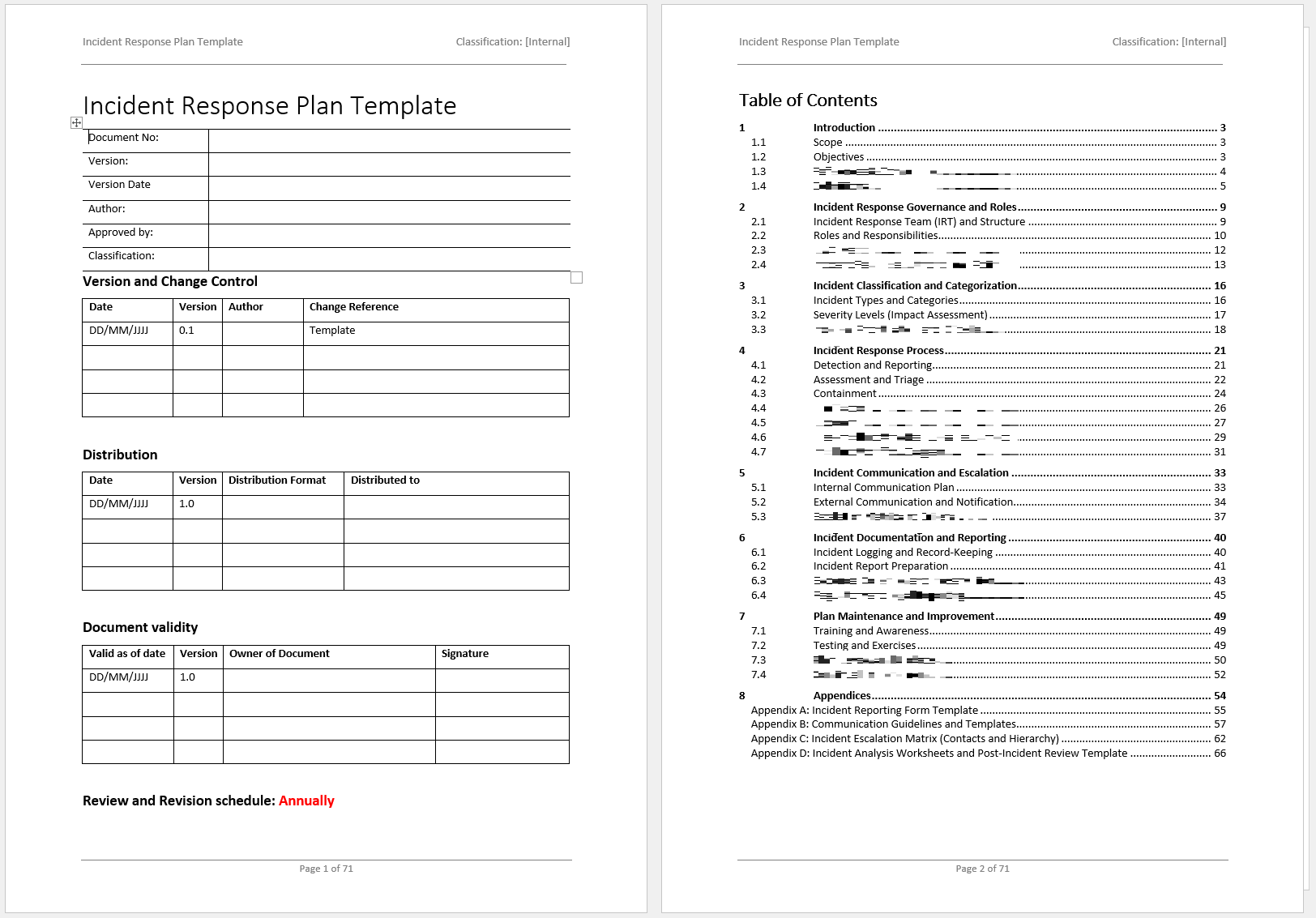
ISO 27001 templates are pre-built documents, spreadsheets, registers, and checklists designed to help organizations create the documented information needed to run an ISMS. Depending on the provider, these can include policies, procedures, risk assessment sheets, Statement of Applicability templates, audit checklists, treatment plans, and management review records. Many organizations use them to speed up implementation and create more consistent documentation across the business.

ISO 27001 templates are most helpful when they are treated as a starting point. ISO 27001 is risk-based, so your documentation needs to reflect your own scope, systems, risks, suppliers, people, and business context.

A generic template that is not tailored to your organization will look weak during implementation and even weaker during an audit.

Usefulness of ISO 27001 Templates

The main reason organizations use templates is simple: implementation takes time, and good templates reduce wasted effort. Instead of building every policy, register, and checklist from scratch, you begin with a structure that already reflects the logic of an ISMS. ISO itself notes that ISO/IEC 27001 helps organizations manage risks related to information security and that the framework can be adapted to the organization’s size and needs.

That matters because a smaller business, a consultant, a scale-up, or a larger enterprise may all be implementing the same standard, but not in exactly the same way. Templates help create a solid baseline while still leaving room for customization.

We position ISO 27001 templates as practical implementation tools. They help with structure, speed, and consistency, especially when you want to move from planning to execution without reinventing every document yourself.

Choose ISO 27001:2022 templates

One of the biggest problems in the market is outdated documentation. The current standard is ISO/IEC 27001:2022, published in October 2022, and ISO lists the 2013 edition as withdrawn. The transition period ended on 31 October 2025, after which ISO/IEC 27001:2013 certificates were no longer valid.

That means organizations working toward certification, maintaining certification, or improving an existing ISMS should use templates aligned with the 2022 version, not the old 2013 structure. If a template pack still uses outdated references, old Annex A structures, or legacy mappings, it can create unnecessary rework.

The Annex A structure is a key example. Under the newer framework, the controls are aligned to the 2022 structure of 93 controls across four themes: organizational, people, physical, and technological.

So when we offer ISO 27001 templates, current-version alignment is one of the most important things we emphasize.

Which ISO 27001 templates are most useful?

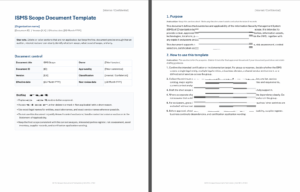
ISMS scope template

Your ISMS scope is one of the foundations of the whole implementation. It defines what parts of the organization, services, systems, sites, and activities are included. If the scope is vague, the rest of the ISMS usually becomes vague too.

A clear policy helps establish management direction and communicate the organization’s information security intentions. This is also part of the core documented information expected in an ISO 27001 implementation.

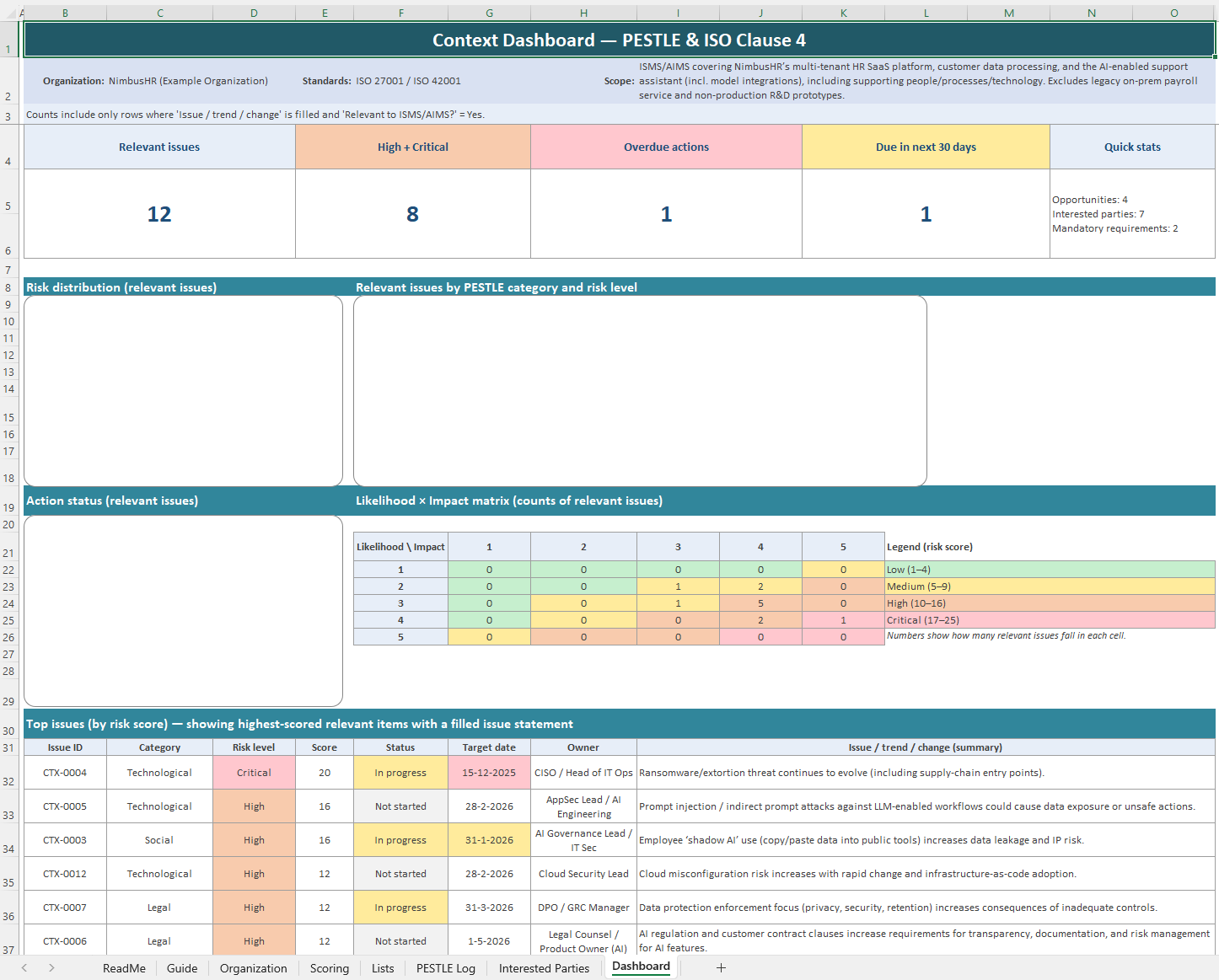
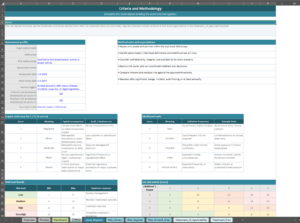
ISO 27001 is built around risk management. A template for methodology helps define how risks are identified, analyzed, evaluated, and treated in a consistent way. ISO states that the standard applies a risk management process adapted to the organization’s size and needs.

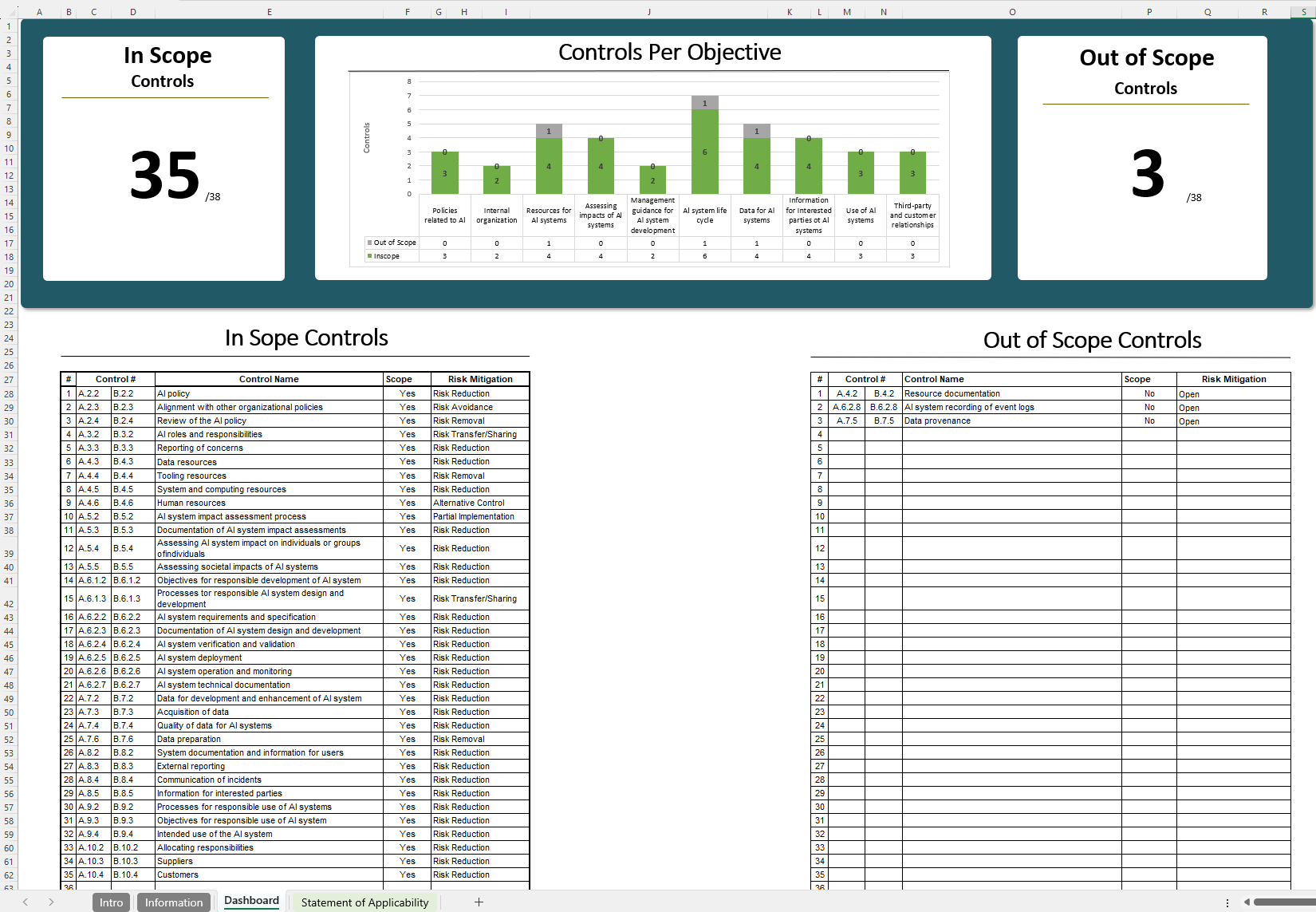
The Statement of Applicability is one of the most important ISO 27001 documents. It helps explain which Annex A controls are applicable, which are excluded, and why. A good SoA template should be clearly aligned to the 2022 control structure.

After risks are assessed, they need to be treated. A treatment plan template helps define what action will be taken, who is responsible, when it should be completed, and how completion will be verified.

This document helps connect risk decisions to actual implementation work.

An internal audit checklist, audit programme, and audit report template help organizations review whether the ISMS is functioning as intended.

Management review is part of the ongoing governance of the ISMS. A structured template helps record the meeting, decisions, findings, and actions clearly.

The ISO 27001:2022 Internal Audit Checklist automatically generates the management review based on internal audit results. 

When issues are identified through audits, incidents, monitoring, or reviews, corrective action records help show how the organization responds and improves.

The ISO 27001:2022 Internal Audit Checklist generates the corrective actions in a separate tab in order to manage and correct the nonconformities. 

Mistakes when buying ISO 27001 templates

One mistake is buying templates based only on how many documents are included. A large number of files may look impressive, but quantity does not always equal usefulness. ISO 27001 is a management system standard, not a paperwork competition. Since the standard is risk-based and should be adapted to the organization’s size and needs, the right set of documents is the one that fits your implementation best.

Another mistake is treating templates as instant compliance. Templates support implementation, but they are not a substitute for actual decisions, control operation, leadership involvement, audits, reviews, and continual improvement. ISO is clear that conformity means an organization has put in place a system to manage information security risks, not merely collected documents.

A third mistake is buying outdated 2013-based material after the transition deadline. That often leads to rewriting policies, remapping controls, and updating the Statement of Applicability later.

Why use our ISO 27001 templates

We offer ISO 27001 templates to help organizations move faster with more structure and less guesswork. The goal is not just to provide documents, but to provide templates that support a real ISMS implementation.

Our approach to ISO 27001 templates is based on a few simple principles:

  • they should be easy to edit and reuse
  • they should support risk-based implementation
  • they should help create consistency across the ISMS
  • they should be practical enough for real internal use, not just for presentation

For many organizations, that means using templates for the scope, policy framework, risk process, Statement of Applicability, internal audit, management review, and corrective actions as the backbone of the ISMS.

Are free ISO 27001 templates enough?

Free templates can be useful for learning, drafting a single document, or understanding how ISO 27001 documentation is structured. But for a full implementation, many organizations eventually need something more consistent and better connected. A complete template set can make it easier to keep terminology aligned across the scope, risk process, SoA, audits, and management review. That reduces confusion and can save a significant amount of time during implementation.

Are ISO 27001 templates worth it?

For many organizations, yes. Templates can save significant time, especially when compared with creating every document from scratch. They can also improve consistency and make it easier to maintain the ISMS over time. ISO 27001 is widely used across sectors and organization sizes, which is one reason there is strong demand for practical implementation material.

The real value comes from using templates the right way: as structured starting points that are customized to your organization.

Concluding

ISO 27001 templates can make implementation more practical, more efficient, and easier to manage. But the best results come from using templates that are aligned with ISO/IEC 27001:2022, reflect the current 93-control structure, and are designed to be adapted to the way your organization actually works.

If you are looking for ISO 27001 templates, focus on usefulness over volume. Choose templates that help you define scope, manage risk, document decisions, support internal audits, and maintain an ISMS that is both practical and audit-ready.