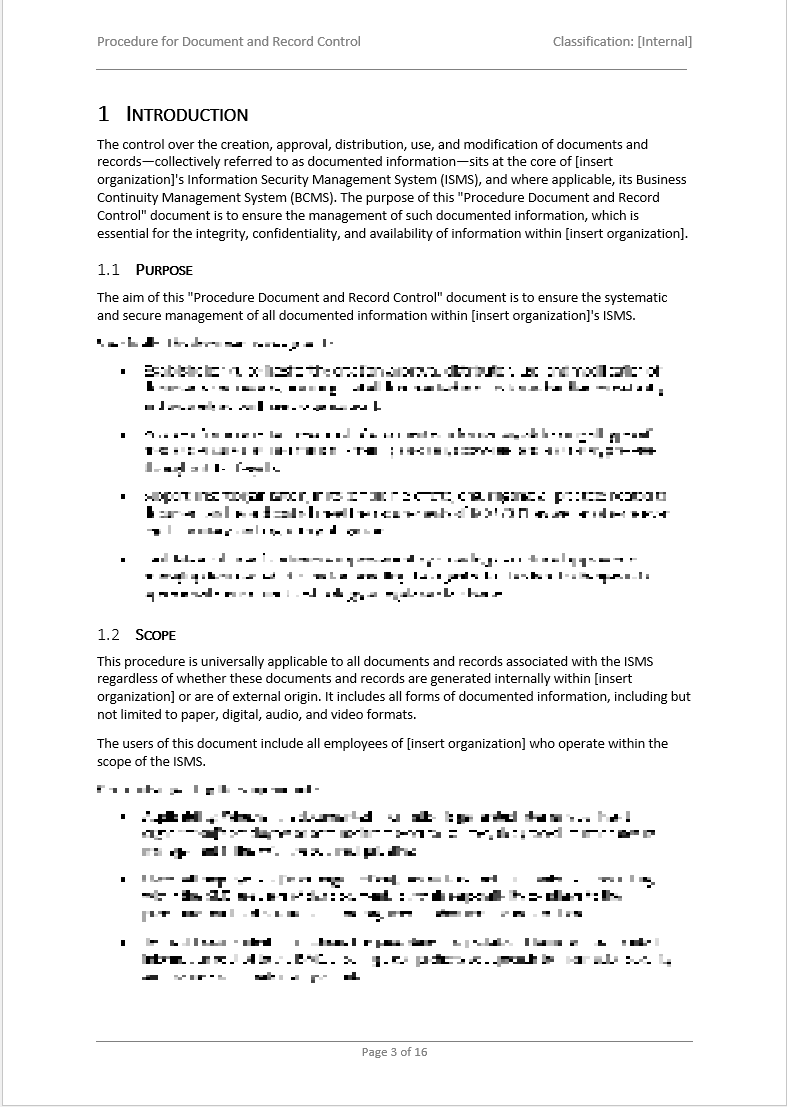
Document and Record Control Procedure Template for an ISMS
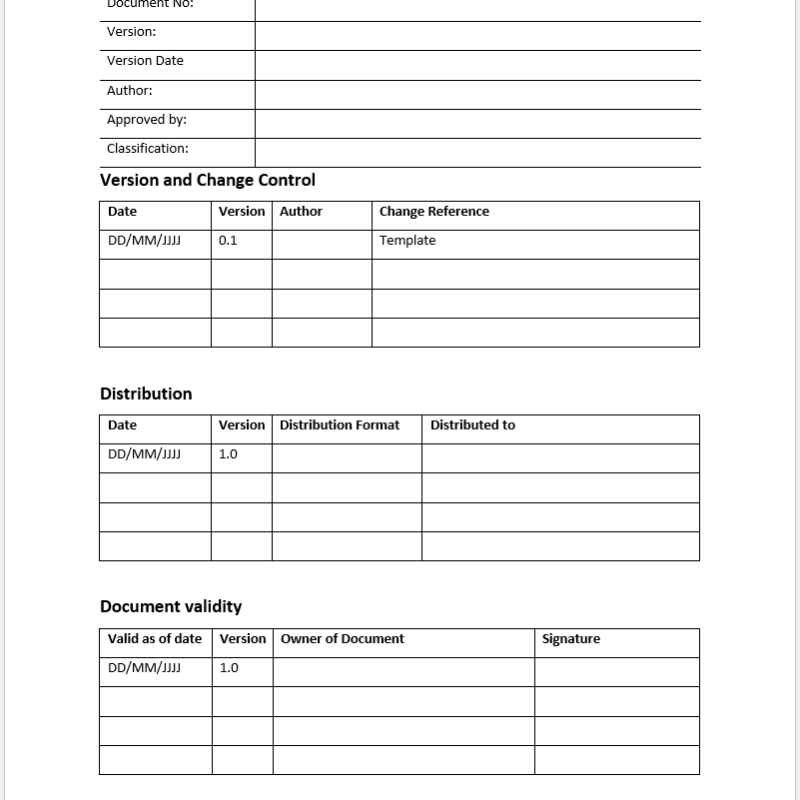
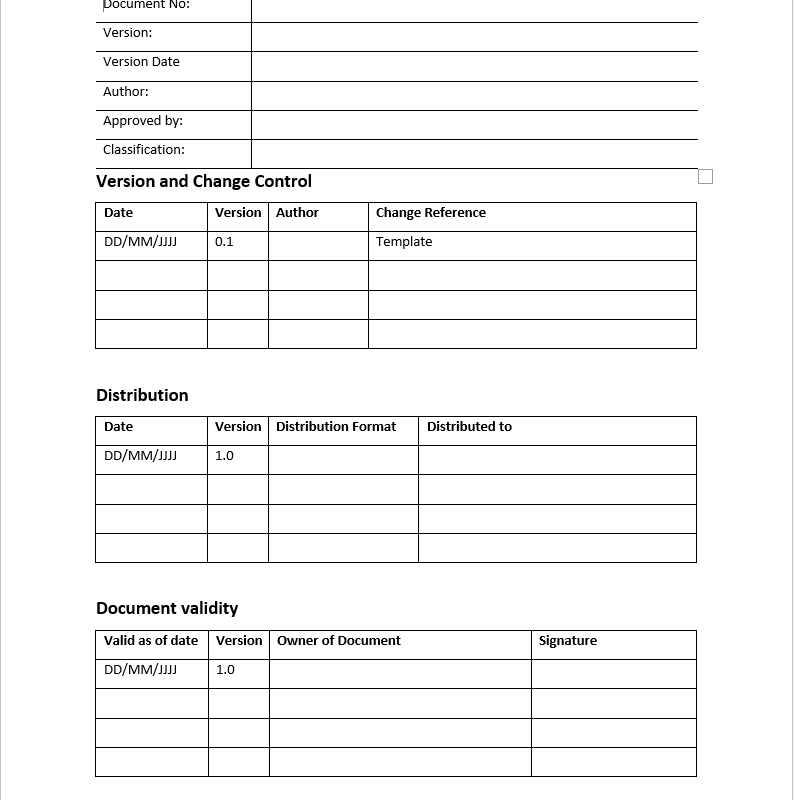
A robust “document and record control” capability is a foundational part of an Information Security Management System (ISMS) because it turns security intent (policies, procedures, standards) into controlled operational practice and turns security performance (risk assessments, audits, incidents, monitoring) into reliable evidence.
ISO/IEC 27001’s “documented information” requirements emphasize that ISMS documentation must be created with clear identification and approval, and then controlled so it is available when needed, protected from loss of confidentiality or integrity, version-controlled, and retained/disposed in a governed way.
On the controls side, ISO/IEC 27001 Annex A aligns to ISO/IEC 27002’s control set and includes explicit expectations relevant to records and procedures—most directly Protection of Records and Documented Operating Procedures—alongside enabling controls such as classification, access restriction, backup, change management, and security awareness/training.
ISO/IEC 27001 and ISO/IEC 27002 requirements
ISO/IEC 27001:2022 specifies requirements for establishing, implementing, maintaining, and continually improving an ISMS. It is intended to be applicable to organizations of any size and sector.
ISO/IEC 27002:2022 provides guidance and best practices for information security controls that organizations can use for risk treatment and implementation.
Within ISO/IEC 27001’s management-system requirements, document and record control is primarily anchored in the documented information clause and reinforced by the requirement to retain evidence across monitoring, auditing, management review, and corrective action.
1. ISO 27001 expects documented information to be controlled
ISO/IEC 27001 requires documented information to be controlled so it is available and suitable for use where needed, and adequately protected.
The standard is intended for organizations of all sizes and sectors, so whether a business is small or large, the expectation remains the same: documented information must support the ISMS in a reliable and auditable way.
That is why organizations need a formal procedure rather than an informal habit of saving files wherever convenient.
Without one, it becomes much harder to prove that the ISMS is functioning as intended, that decisions were approved correctly, or that records were retained and protected appropriately.
ISO 27002 exists specifically to provide best-practice guidance to support that operational side of the ISMS.
2. Documents and records serve different purposes
A strong organization understands that documents and records are not the same thing.
Documents tell people what to do.
Records prove what was done.
Documents include items such as policies, procedures, standards, work instructions, and forms.
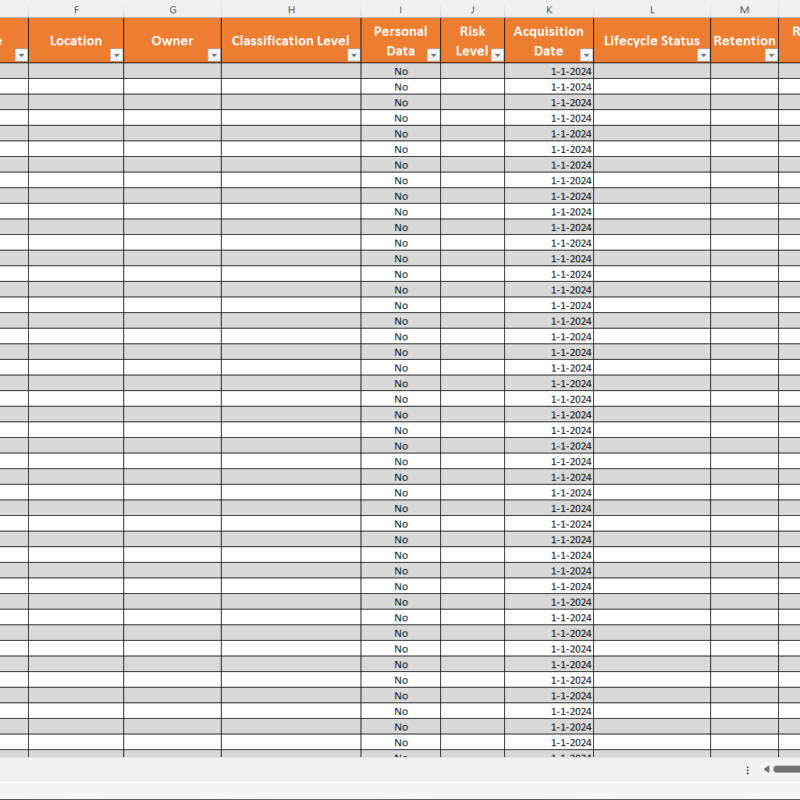
Records include internal audit reports, risk assessments, management review minutes, training evidence, corrective action logs, incident records, approvals, and other proof that activities were completed.
ISO 15489 specifically describes records management as covering records, metadata, record systems, assigned responsibilities, monitoring, training, records controls, and processes for creating, capturing, and managing records.
3. Poor control creates real business risk
Without clear document and record control, organizations often face outdated procedures still being used in operations, unclear ownership, missing approvals, inconsistent naming conventions, scattered evidence, and weak retention practices.
Those are not just administrative annoyances. They create operational risk, security risk, and audit risk.
They can also make it much harder to respond effectively to incidents, investigations, legal questions, customer due diligence requests, or certification audits.
That is exactly why ISO 27001 and ISO 27002 place so much emphasis on structured management-system practices and control guidance.
Main Benefits
- Achieve Compliance: Our template helps you meet ISO 27001 Clause 7.5.3 and other regulatory requirements, minimizing compliance risks and supporting your organization’s security goals.
- Boost Efficiency and Clarity: With this template, managing documents and records becomes straightforward. It’s designed to save time and reduce errors by simplifying identification, storage, and retrieval processes.
- Strengthen Security: Protect your sensitive data with clear procedures for document classification, access control, and protection. Our template is built to help secure your information from unauthorized access or loss.
- Flexible and Adaptable: Tailor this template to fit your organization’s size, industry, and specific needs. Whether you’re a startup or a multinational, it’s crafted to be versatile and easy to customize.
Why Use This Template Instead of Writing One From Scratch
1. It saves time without sacrificing structure
Starting from a blank page usually leads to one of two outcomes: either the procedure remains too vague to be useful, or it becomes overcomplicated and disconnected from day-to-day operations. This template provides a structured starting point that already reflects the main themes from ISO 27001, ISO 27002, records-management principles, and operational evidence practices.
2. It is built around implementation, not just theory
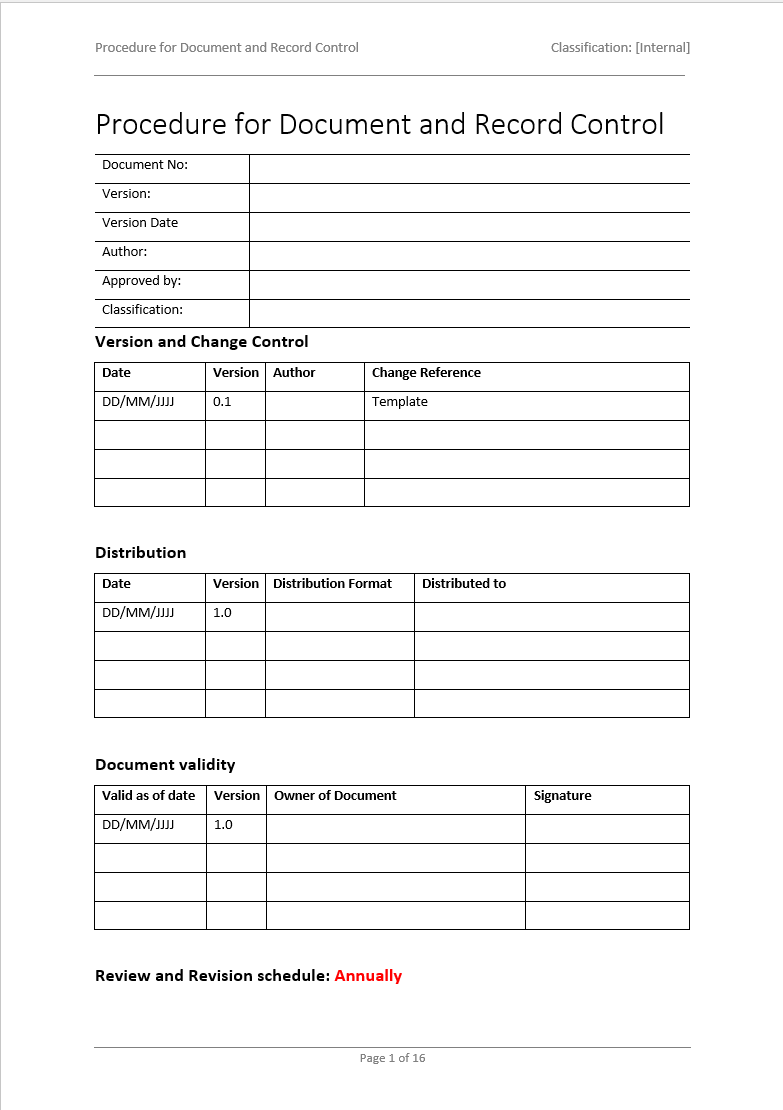
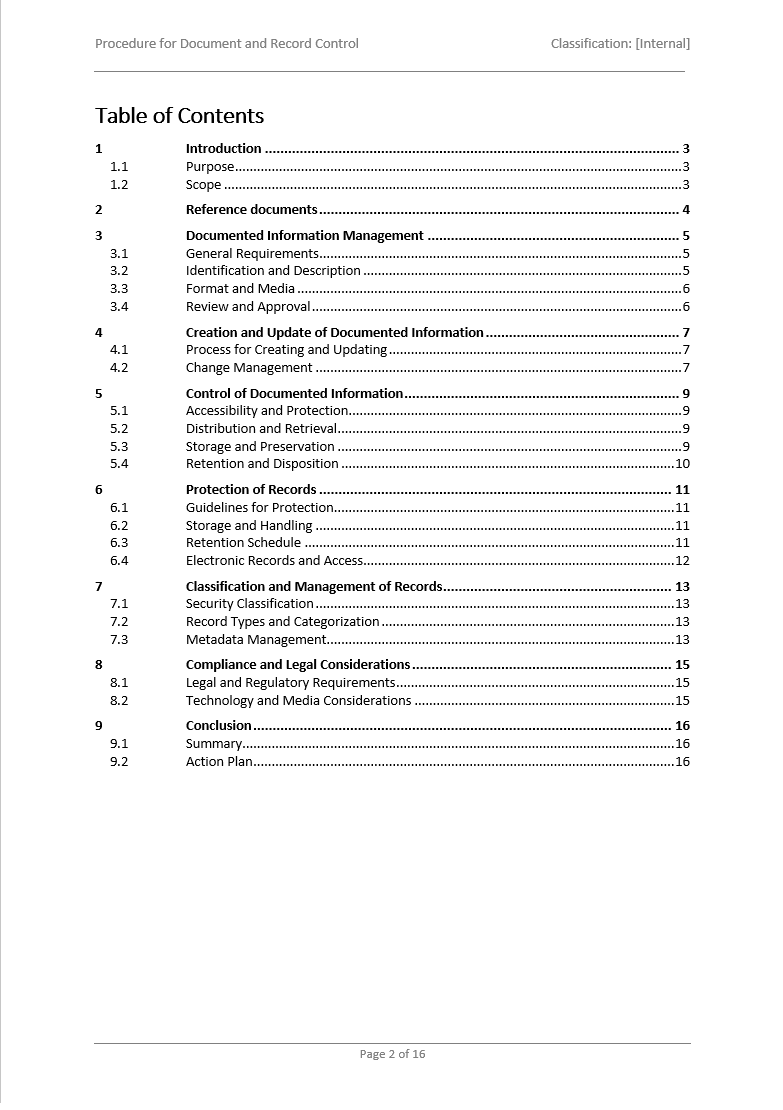
Many generic templates only say that documents should be approved and controlled. This one is stronger because it is designed around real implementation needs: version control, ownership, approval, restricted access, external document control, record protection, retention schedules, archival logic, disposal expectations, and audit traceability. That makes it more useful for organizations that actually need to operate an ISMS, not just describe one.
3. It supports both compliance and daily operations
This template is not only for certification. It also improves daily governance. It reduces confusion, supports accountability, helps maintain a single source of truth, and makes evidence easier to find and trust. ISO/IEC 27001 frames information security as an organization-wide management system, and that makes practical control over documents and records valuable even outside formal certification.
Who This Template Is For
1. Organizations implementing ISO 27001
This template is especially useful for organizations building or formalizing an ISMS and needing a clear procedure for documented information.
2. Organizations preparing for internal or external audit
It is also useful for organizations that already have documents and records but lack consistency, ownership, or audit traceability.
3. Organizations that want better control over security evidence
Businesses handling incidents, customer due diligence requests, supplier security reviews, or regulatory obligations can benefit because the procedure creates a more disciplined and defensible way to manage evidence.
A practical, audit-ready, and standards-aligned foundation
This template gives organizations a practical way to turn ISO-style requirements into a usable process.
It helps ensure that documents are current, records are protected, evidence is retained appropriately, and responsibilities are clear.
It supports operational discipline, reduces risk, and gives the ISMS a stronger foundation for audits, customer trust, and continual improvement.
That is why organizations need a document and record control procedure, and that is why using a structured template like this one is often the fastest and most reliable way to put the control in place.